

Search for remote sales jobs and many of the results promise “$80K+ in your first year” for part-time work with no experience. Most of those are commission-only roles. The real jobs are quieter about it: they list a base salary, usually about $50,000 to $70,000 a year for entry-level roles, with commission on top.
This guide is for anyone who wants to sell from home: a phone-store sales associate in Charlotte, an SDR who wants to stop commuting, or someone moving into sales from customer service. It covers the kinds of remote sales jobs, how each one pays, who’s hiring right now and how to avoid the listings that waste your time.
The remote sales cheat sheet
| Pay type | What it looks like in a posting | Who it suits |
|---|---|---|
| Base salary plus commission | “$50K–$60K base, plus commission” | Most people. The safest way into remote sales |
| Hourly sales jobs | “$26–$36/hr, plus commission” | People moving over from customer service |
| Paid sales internships | “$29–$32/hr, part time” | Students and new graduates |
| Commission-only agent roles | “80K+ average first-year earnings”, license required | Experienced closers who can live without a paycheck for months |
| Pay per appointment | “$50 per appointment set” | Experienced setters looking for side income |
How to read a remote sales listing in 30 seconds
1. Find the pay line. A real job tells you the base salary or hourly rate. If the only number is “average first-year earnings” or “uncapped income”, there’s probably no base.
2. Check the location. Remote sales jobs are often limited to certain states, a time zone or a sales territory. A posting that says “Remote, Kansas City” or “(Multiple States)” will only hire you if you live where they sell.
3. Ask who pays for leads. At a real employer, the company gives you the leads, the phone system and the software. If you have to buy leads, pay for training or cover your own license before you earn anything, you’re starting a business, not a job.
Companies hiring remote sales reps right now
These ten companies hire sales reps to work remotely in the US as a regular part of how they’re set up, not as a one-off. We picked well-known employers across software, media, security, drones, food, delivery and healthcare, and checked each one’s own job postings. Specific roles open and close, so treat the pay below as a guide to what each company pays, and check the live postings before you apply.
1. Twilio
Best for: people starting out who want a remote-first software company with a structured SDR program.
Twilio makes the software businesses use to send texts, calls and emails to their customers. It calls itself a remote-first company and hires sales development reps (SDRs) across the US, with an onboarding program for new reps. A recent SDR posting paid $25.75 to about $36 an hour, depending on the state, and said: “If your career is just starting or hasn’t followed a traditional path, don’t let that stop you.”
Visit Twilio or see open roles at Twilio.
2. O’Reilly Media
Best for: SDRs who like selling to technology teams and want a clear next step.
O’Reilly runs a learning platform with books, courses and training for engineering and business teams. It hires fully remote SDRs to cover North America and describes a path from there into more senior sales roles. A recent SDR posting listed $57,500 to $93,000 a year.
Visit O’Reilly Media or see open roles at O’Reilly Media.
3. Muck Rack
Best for: new SDRs who want honest numbers about the first months.
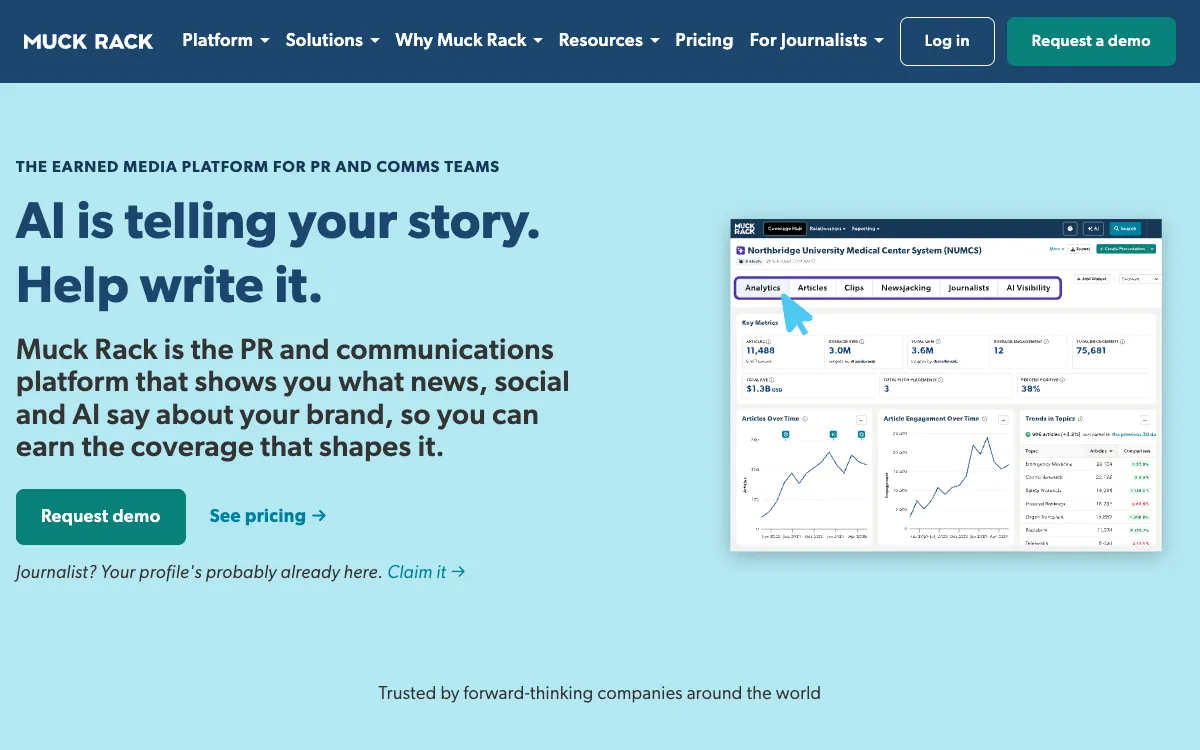
Muck Rack makes software for PR and communications teams. Its sales team is fully distributed, and its SDR postings are unusually honest about pay. A recent one listed a $53,000 base with $68,000+ in on-target earnings, and said the company builds in “1-3 quarters of ramp time with lower goals and thus lower earnings from commission”. Its SDR interviews include a mock cold call.
Visit Muck Rack or see open roles at Muck Rack.
4. Skydio
Best for: BDRs with a year or two behind them who don’t mind some travel.
Skydio builds autonomous drones for public safety, defense and industry. It hires business development reps (BDRs) to work remotely across the US and meet customers at industry events. A recent senior BDR posting paid $60,000 to $85,000 plus commission, asked for previous BDR experience and about 25% travel.
Visit Skydio or see open roles at Skydio.
5. Zscaler
Best for: SDRs ready for their first account executive role.
Zscaler sells cloud security to businesses. It hires account executives to work remotely within their own state, covering the customers there. A recent posting for Michigan listed a base of $97,020 to $138,600 before commission and asked for at least two years of full-cycle sales experience in software or security, so it suits SDRs who are ready to start closing deals themselves.
Visit Zscaler or see open roles at Zscaler.
6. Smithfield Foods

Best for: people who want to work from home but spend their days visiting stores.
Smithfield Foods makes packaged meats sold in grocery stores across the US. It uses home-based field sales reps: you live in your territory, work from home and travel to stores and customers to present products. A recent posting around Kansas City paid $50,000 to $70,000 a year.
Visit Smithfield Foods or see open roles at Smithfield Foods.
7. Instacart
Best for: SDRs with a year of sales experience who want a big consumer brand.
Instacart runs the grocery delivery app and sells advertising and business services to the brands and stores on it. It hires sales development reps to work remotely across the US and asks for at least a year of sales or business development experience. Base pay depends on the state: a recent salaried SDR role listed $56,000 to $60,000 in the highest-paid states, and an hourly one about $28 to $29 an hour.
Visit Instacart or see open roles at Instacart.
8. Zoom
Best for: early-career reps who want a well-known software brand.
Zoom makes video meetings and workplace software. It hires business development reps (BDRs) for products such as Workvivo, its employee app, with roles listed as remote in specific states. A recent BDR posting listed $27.16 to $50 an hour in on-target earnings, about $56,500 to $105,900 a year. Zoom describes its way of working as structured hybrid, so check whether a role expects office days.
Visit Zoom or see open roles at Zoom.
9. Medtronic
Best for: people who want to get into medical sales without a degree.
Medtronic makes medical devices used in hospitals around the world. A recent Inside Sales Representative posting described “a remote position” selling surgical products virtually across an assigned territory, with a base salary of $50,000 to $55,000. It listed a high school diploma as the education requirement.
Visit Medtronic or see open roles at Medtronic.
10. CVS Health
Best for: people who want an hourly sales job they can do from anywhere in the US.
CVS Health runs CVS pharmacies and Aetna health insurance. A recent Inside Sales Rep posting was hourly plus commission, said you “can live anywhere in U.S.” and paid $15 to $24 an hour. It asked for a four-year degree or one to two years of experience selling Medicare plans.
Visit CVS Health or see open roles at CVS Health.
For more, browse remote sales jobs that list pay. The list changes every day.
Base salary plus commission
This is the most common real remote sales job, and the one to aim for. Sales development reps (SDRs) and business development reps (BDRs) call and email businesses to book meetings for a closer. Account executives run those meetings and close the deal.
What’s different: you get a steady base salary, and commission adds to it when you hit a monthly or quarterly target, called your quota. Software companies, manufacturers and payment companies hire many of these roles. Entry-level base pay in the postings above sits between about $50,000 and $70,000.
Example: Muck Rack’s SDR role pays a $53,000 base, with $68,000+ when you hit your targets.
Common mistake: chasing the highest “on-target earnings” number. That figure assumes you hit 100% of quota. Compare base salaries first.
Hourly sales jobs
This is the easiest step from customer service into sales. Some SDR jobs pay by the hour, and so do inbound sales roles where you help people who already want to buy.
What’s different: you’re paid by the hour, usually with commission or a bonus on top. Software companies, banks, lenders and insurers hire for these roles.
Example: Twilio’s remote SDR pays $25.75 to about $36 an hour, depending on your state.
Common mistake: comparing an hourly rate with a salary without doing the math. Full time, $26 an hour is about $54,000 a year before commission. If you’re coming from support, our guide to remote customer service jobs covers the home setup most of these roles ask for.
Paid sales internships
Students and new graduates can start in sales without a full-time role. Internships put you on a real sales team for a summer or a semester.
What’s different: pay is hourly and hours are often part time. Technical companies hire interns for sales roles that need a science or engineering background.
Example: Agilent Technologies’ remote Life Sciences Technical Sales Internship pays $29 to $32 an hour.
Common mistake: applying in spring. Many internships for next summer are posted in the autumn.
Commission-only agent roles
These are the listings that promise the most and guarantee the least. They usually say “work from home”, “no experience needed”, “part time” and “80K+ average first-year earnings”, and the same listing often appears many times.
What’s different: the posting itself usually tells you, further down, that pay is commission-based and that you need a life and health insurance license before you can sell. You’re often an independent agent, not an employee, so there’s no base salary, no taxes withheld and no benefits until you earn them.
Example: we found many such listings in our remote sales search, all part time and all commission-based once you read past the headline.
Common mistake: treating “average first-year earnings” as a salary. It’s an average across agents, and many earn far less, especially in the first months.
Pay per appointment
Appointment setters book sales calls for someone else and get paid for each one. It’s real work, but the income depends entirely on how many meetings you book.
What’s different: pay is per appointment set, so a slow week means a small paycheck. Many of these roles ask for experience.
Example: one listing in our search offered about $50 per appointment and said “No Beginners”.
Common mistake: taking it as your first sales job. A base-salary SDR job teaches the same skills and pays you while you learn.
Is a commission-only remote sales job legal?
For employees in the US, only if the commission adds up to at least the minimum wage. Employers can skip minimum wage for “outside sales” staff, who sell in person away from the office. But the Department of Labor says outside sales “does not include sales made by mail, telephone or the Internet”, and a home used as a sales base counts as the employer’s place of business (U.S. Department of Labor, 2024).
So a remote sales employee who sells by phone or video must earn at least the minimum wage, with commission counting toward it. That’s why most commission-only remote offers are independent contractor (1099) roles. Those can be legal, but you carry all the risk.
How to spot a fake remote sales job
Real employers never ask you to pay to start. The Federal Trade Commission warns against offers where you pay for “starter kits, so-called training, or certifications that are useless”, and says a promise to “make a lot of money in a short period of time with little work” is “almost certainly a scam” (FTC, 2023).
Find the job on the company’s own website before you apply. Then check that the recruiter writes from the company’s email domain and interviews you by phone or video. Every job on JobUnlocked links to the employer’s own posting, so you can check the pay line and the details at the source.
What fits your situation
| Your situation | Best fit | Why |
|---|---|---|
| Retail or restaurant worker, no sales title yet | SDR or BDR with a base salary | Your customer work counts, and the base pays you while you learn |
| Customer service rep | Hourly sales job | The same calls, plus selling, at a familiar pace |
| Student or new graduate | Paid sales internship or SDR program | Training and a real team |
| Experienced closer | Account executive | Higher base and bigger commission |
| You need side income | Pay per appointment, carefully | Flexible hours, but no steady pay |
How to actually do it
- Choose a pay type from the cheat sheet. For a first remote sales job, base salary plus commission is the safe choice.
- Turn what you’ve already sold into numbers. “Sold 40 phone plans a month” or “Upsold protection plans on 1 in 3 orders” reads like sales experience. Our resume builder has a Closer template for sales roles and can tailor your resume to one job. It checks every rewritten line against your original resume and reverts any line that adds a tool, skill, number or duty you didn’t list.
- Search where the employers post. Browse remote sales jobs on JobUnlocked, narrow to entry-level roles with pay listed, or see everything in sales jobs, remote and on-site.
- Read the pay line and the location in every posting before you apply.
- Apply within a day or two. Remote roles draw applicants from many states at once. Check remote sales jobs posted today each morning.
- Practice a cold call. Interviews often include a role-play where you book a meeting with a busy buyer.
New to sales? Entry-level sales jobs explains each first sales role in more detail, including the on-site ones. The ATS-friendly resume guide covers formatting.
Bottom line: Remote sales jobs are real, but the good ones tell you the base pay. Check the pay line, the location and who pays for leads, then apply early on the employer’s own posting. For the phone-store sales associate in Charlotte, that’s an SDR or sales support role with a resume full of sales numbers, found in remote sales jobs on JobUnlocked.


